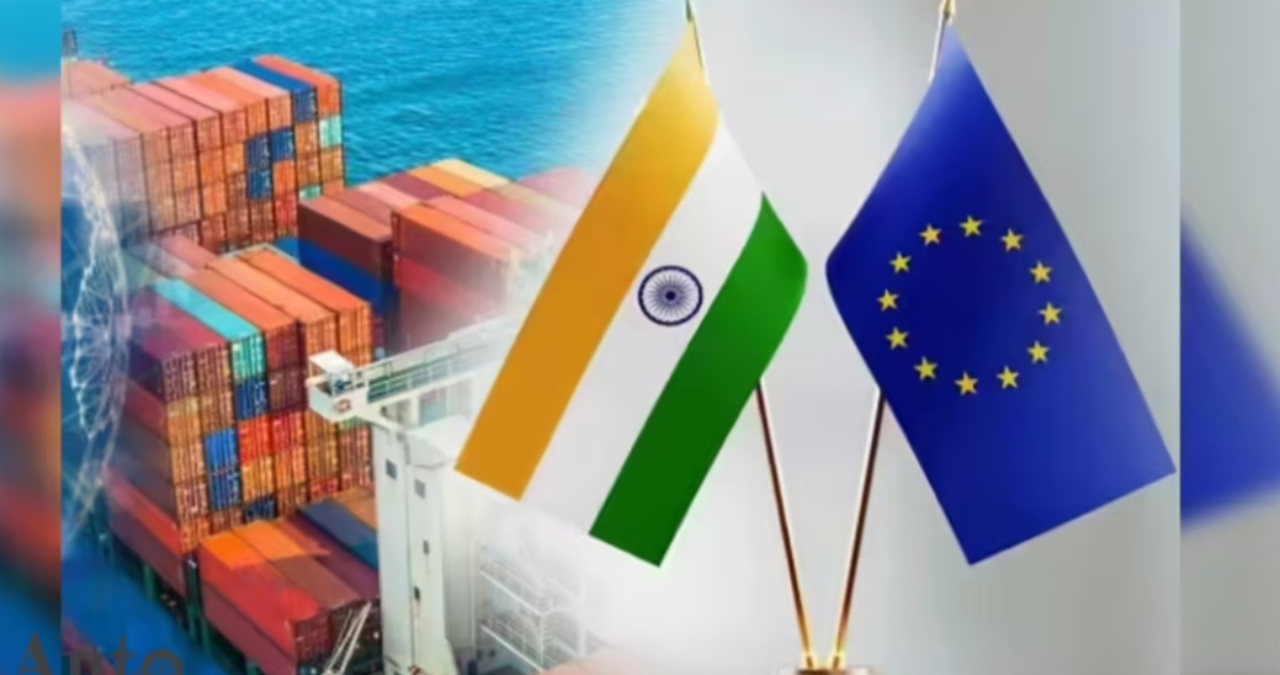

India EU FTA Impact: Negotiations between India and the European Union are moving forward again, raising expectations of a long-pending trade agreement. Experts say the India EU FTA Impact could be significant for exports, employment and investment flows as both sides attempt to strengthen economic cooperation in a changing global supply chain environment.
India EU FTA Impact: How the Agreement May Affect Trade and Industry
The proposed agreement aims to reduce tariffs on goods and simplify regulatory standards for businesses operating across both markets. For Indian exporters, easier access to European markets may benefit sectors such as textiles, pharmaceuticals, engineering goods and IT services. Lower duties can make products more competitive and increase international demand.
European companies, on the other hand, may gain better entry into India’s growing consumer base in automobiles, luxury products and green technologies. Analysts believe supply chain diversification after recent global disruptions has encouraged businesses to explore new partnerships.
Economists also highlight that harmonized standards could reduce compliance costs for manufacturers. This helps small and medium enterprises expand globally without facing complicated certification processes. The agreement may also promote sustainable manufacturing and digital trade frameworks aligned with modern commerce requirements.
Employment, Investment and Long-Term Outlook
The India EU FTA Impact is expected to extend beyond trade volumes. Increased foreign investment may create jobs in manufacturing hubs and service industries. Technology transfer and skill development programs could also support workforce productivity and innovation capacity.
Policy experts note that trade agreements usually influence domestic reforms. Improved logistics infrastructure, transparent regulations and faster customs procedures often follow such deals. This can improve the ease of doing business and attract multinational companies seeking stable production bases.
However, some sectors may face short-term competition pressure from imported goods. Governments typically balance this by phased tariff reductions and safeguards for sensitive industries. Over time, competitive exposure often improves efficiency and product quality.
Also Read: Motorola Moto G77 Price Specs, and Features: 108MP Camera, AMOLED Display, and Battery